
Case Study: How a Karachi Retail Brand Tripled Leads in 2026
Case studies tell you more about a Top Marketing Agency Karachi than any pitch deck ever could. Rather than talk in generalities, this article walks through a realistic, anonymized breakdown of how a mid-sized Karachi retail brand went from stagnant foot traffic to a tripled lead volume within eight months in 2026 — and what specifically changed to make that happen.
The goal here is not to sell a fantasy. It is to show the actual sequence of decisions, the mistakes corrected along the way, and the metrics that mattered at each stage.
The Starting Point: Why This Business Was Stuck
The business, a home furnishings retailer with two physical locations in Karachi, had an outdated website, inconsistent social posting, and zero presence in Google’s local map results for key product categories. Despite decent in-store service, online discovery was close to zero outside of word of mouth.
Their previous marketing spend had gone almost entirely into boosted Facebook posts with no clear targeting strategy, producing likes and comments but very few actual store visits or calls.
What Changed: The First 90 Days
The new approach prioritized fixing fundamentals before spending on ads. This is a pattern worth repeating for any business in a similar position.
Step One: Fixing Local Search Visibility
The team claimed and fully optimized the Google Business Profile for both locations, added accurate categories, real photos, and responded to every existing review. Within weeks, both locations began appearing in local map searches for furniture-related queries.
Step Two: Rebuilding the Website Around Search Intent
Product pages were rewritten around how actual Karachi shoppers search — mixing English product names with Urdu-transliterated phrases customers commonly type into Google. This single change had an outsized effect on organic impressions within the first two months.
What Happened Between Months Three and Eight?
Once the foundation was solid, paid social and Google Ads were layered on top, targeted specifically at users who had already engaged with organic content — a retargeting approach that dramatically lowered cost per lead compared to cold audience targeting.
| Metric | Month 1 | Month 4 | Month 8 |
|---|---|---|---|
| Monthly website leads | 22 | 51 | 68 |
| Google Maps profile views | 340 | 1,900 | 4,100 |
| Cost per lead (PKR) | 1,850 | 960 | 610 |
| In-store visits attributed to online | Not tracked | 140 | 310 |
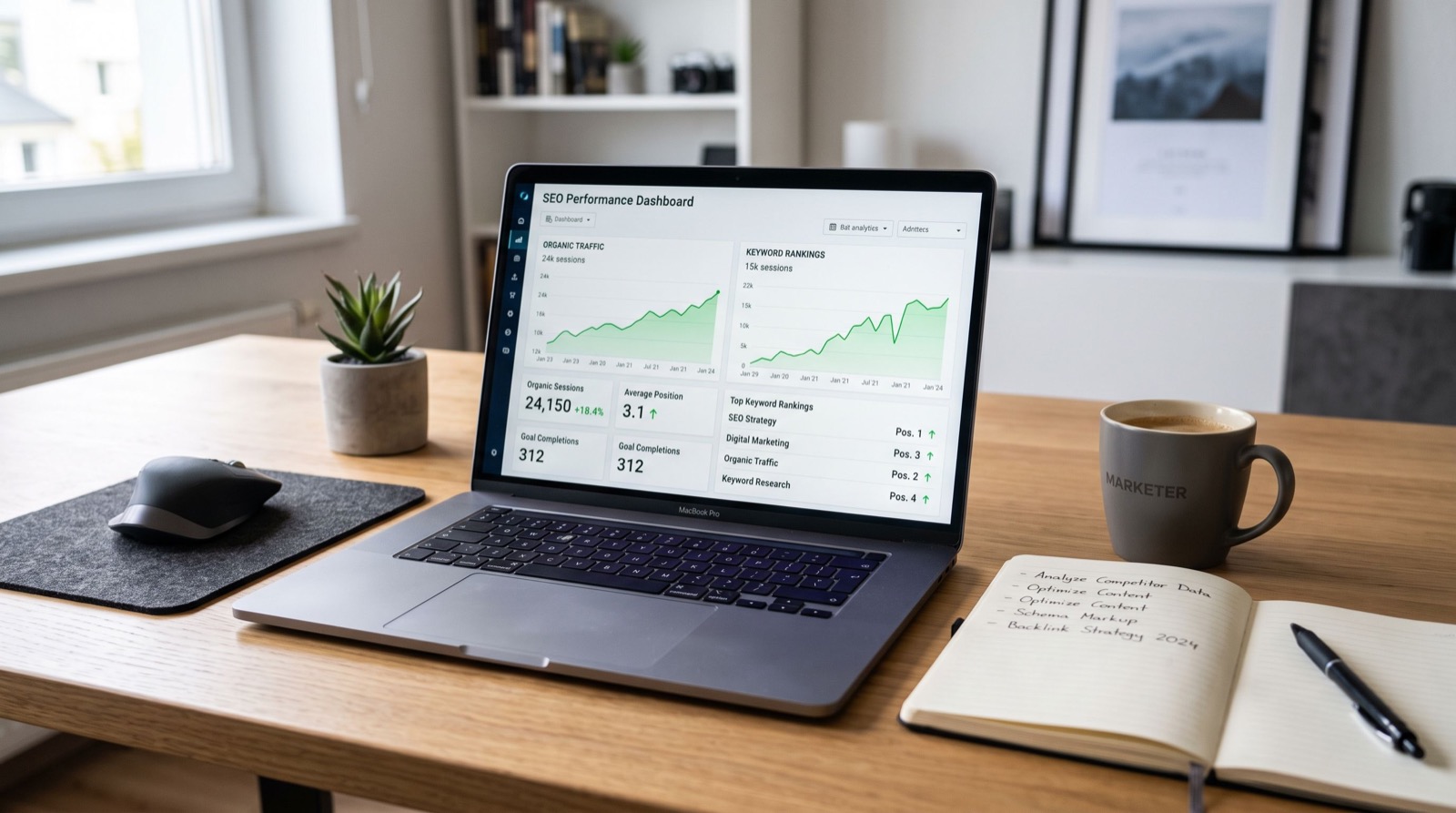
By month eight, leads had roughly tripled from the starting baseline, while cost per lead dropped by nearly two-thirds. The key driver was not any single tactic but the sequencing: fix fundamentals, then layer paid spend on top of a working organic foundation.
What Would We Do Differently Next Time?
One original lesson from this project: review response strategy mattered more than expected. Responding quickly and personally to every Google review — including negative ones — measurably improved local ranking position, likely because Google factors in review recency and engagement signals, as outlined in Google’s own guidance on managing reviews.
We also underestimated how long content rewrites would take. Budget four to six weeks for a proper rewrite of core product and category pages, not the two weeks originally planned.
How Did Customer Behavior Actually Change?
Numbers only tell part of the story. Staff at both locations reported a noticeable shift in how customers arrived: more walked in already knowing which product they wanted, having researched it online first, rather than browsing cold. This shortened the average in-store sales conversation and modestly increased basket size, since customers arrived pre-qualified rather than just window shopping.
Phone inquiries also changed in nature. Instead of generic “are you open” calls, staff started fielding specific questions referencing exact product names and prices seen on Google — a clear signal that the rewritten product pages were being read closely before customers ever made contact.
What Budget Did This Actually Require?
For context, total marketing spend across the eight months averaged roughly PKR 180,000 per month, covering content rewrites, Google Business Profile management, review generation efforts, and the retargeted paid campaigns layered on top from month three onward. Roughly 55% of that budget went toward organic fundamentals and content, with the remaining 45% toward paid retargeting once the organic base was performing.
This split is worth noting because many businesses assume paid ads deserve the majority of spend. In this case, the opposite allocation produced better long-term economics, since the organic improvements kept compounding even in months when paid spend was temporarily paused for budget reasons.
Could This Work for Any Karachi Business?
The exact numbers will vary, but the sequence is broadly repeatable: fix local search fundamentals first, rebuild key pages around real search behavior, then layer paid spend on an audience that already trusts your brand. Businesses evaluating a Best Marketing Agency Karachi option should ask directly whether this is the sequence being proposed, rather than jumping straight to paid ads.
Outside marketing, the same principle of working with trusted professionals who follow a proven, methodical process — rather than skipping steps for a quicker-looking result — tends to produce more durable outcomes across any service category.
What Internal Processes Supported This Growth?
Behind the numbers, a simple weekly rhythm kept the project on track: a 30-minute call every Monday reviewing the prior week’s leads, Google Business Profile metrics, and ad spend, followed by one clear priority for the coming week rather than a long unfocused to-do list. This discipline mattered as much as any individual tactic, since it prevented the common pattern of a promising campaign quietly stalling without anyone noticing for weeks.
Frequently Asked Questions
How long does it take to see results from local SEO in Karachi?
Most businesses start seeing measurable improvements in Google Maps visibility within four to eight weeks, with fuller organic traffic gains building over three to six months.
What is the Top Marketing Agency Karachi approach to case studies like this?
A credible agency will show real before-and-after numbers, explain exactly what changed at each stage, and be transparent about what underperformed, rather than only showcasing the best-case outcome.
Did paid ads or organic SEO drive more leads in this case?
Organic fixes created the foundation, but the combination mattered most. Once organic traffic and reviews improved, retargeted paid ads converted that warmed-up audience far more efficiently than cold targeting alone.
Can a small retail business with one location replicate this?
Yes. Single-location retailers often see faster results than multi-location brands since there is only one Google Business Profile and one local market to optimize.
Final Thoughts
This case study reflects a pattern seen repeatedly across Karachi retail: fundamentals first, paid spend second, patience throughout. Businesses that follow this sequence in 2026 consistently outperform those chasing shortcuts with boosted posts alone.