
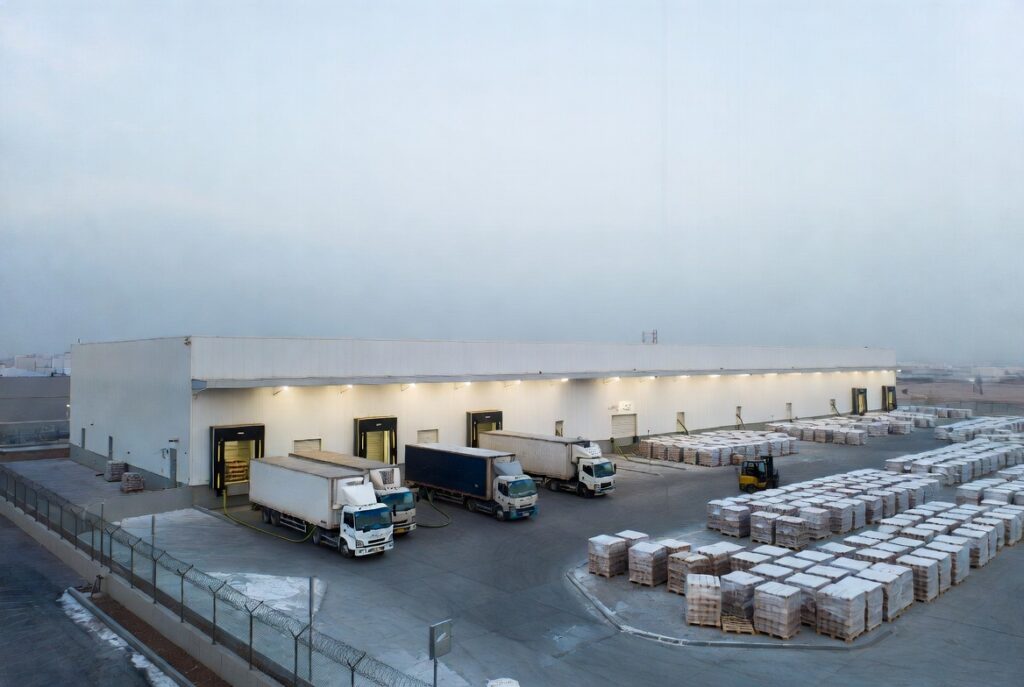
In today’s global supply chain ecosystem, temperature-controlled storage has become one of the most critical components for businesses dealing with food, pharmaceuticals, and perishable goods. As consumer demand for fresh and high-quality products continues to rise, companies must ensure that their inventory is preserved under strict temperature conditions throughout storage and distribution.
Among all cold chain solutions, Frozen Storage plays a vital role in maintaining product integrity, extending shelf life, and reducing waste. It is essential for industries that rely on deep-freeze environments to preserve goods at sub-zero temperatures.
In Saudi Arabia, rapid urbanization, population growth, and expansion in retail and food industries have significantly increased the demand for professional frozen storage facilities. Key industrial cities like Dammam and Jeddah are emerging as major hubs for logistics and cold chain infrastructure.
This article explores frozen storage, its importance, applications, and why businesses in Saudi Arabia increasingly depend on professional storage solutions.
The Growing Importance of Cold Chain and Frozen Storage
The cold chain industry ensures that temperature-sensitive products are stored and transported under controlled conditions. Without proper frozen storage, products can lose quality, become unsafe for consumption, or suffer from reduced shelf life.
Frozen storage helps businesses:
- Maintain product freshness
- Prevent bacterial growth
- Reduce food waste
- Ensure regulatory compliance
- Improve supply chain efficiency
- Increase customer satisfaction
As industries expand, the need for reliable frozen storage solutions continues to grow rapidly.
Frozen Storage
What Is Frozen Storage?
Frozen Storage refers to specialized facilities where products are kept at extremely low temperatures, typically below -18°C, to preserve their quality and safety over extended periods.
These facilities are designed to store perishable goods that require deep freezing to prevent spoilage and maintain freshness.
Frozen storage is widely used in:
- Food industries
- Pharmaceutical companies
- Hospitality businesses
- Retail supply chains
- Export/import operations
Types of Products Stored in Frozen Storage
Food Products
- Meat and poultry
- Seafood
- Frozen vegetables
- Dairy products
- Ready-to-eat meals
- Ice cream and desserts
Pharmaceutical Products
- Vaccines
- Medical samples
- Biologics
- Temperature-sensitive drugs
Industrial Goods
- Certain chemicals
- Laboratory materials
Key Features of Modern Frozen Storage Facilities
Temperature Control Systems
Advanced systems maintain consistent sub-zero temperatures.
Monitoring Technology
Real-time tracking ensures product safety and compliance.
Hygienic Environment
Strict cleanliness standards prevent contamination.
Backup Power Systems
Ensure uninterrupted cooling during power failures.
Inventory Management Systems
Digital tools track stock levels efficiently.
Benefits of Frozen Storage
Extended Shelf Life
Products remain usable for longer durations.
Reduced Waste
Minimizes spoilage and financial losses.
Quality Preservation
Maintains texture, taste, and nutritional value.
Regulatory Compliance
Meets food safety and health standards.
Efficient Supply Chain
Improves distribution and logistics planning.
Industries That Depend on Frozen Storage
- Food manufacturing
- Supermarkets and retail chains
- Restaurants and catering services
- Pharmaceutical companies
- Logistics and distribution companies
Frozen Storage in Dammam
Dammam is one of Saudi Arabia’s most important industrial and logistics centers. Its strategic location along the Arabian Gulf makes it a key hub for import, export, and distribution activities.
The demand for Frozen Storage in Dammam has increased significantly due to rapid industrial expansion and growing consumer markets.
Why Dammam Is a Key Hub for Frozen Storage
Industrial Growth
The city hosts major manufacturing and processing industries.
Port Connectivity
King Abdulaziz Port facilitates international trade and imports.
Logistics Infrastructure
Well-developed transportation systems support cold chain operations.
Rising Food Demand
Population growth increases demand for frozen food products.
Industries Using Frozen Storage in Dammam
Food Distribution Companies
Managing large-scale frozen inventory for retail and wholesale markets.
Seafood Exporters
Preserving seafood quality for international trade.
Hospitality Sector
Hotels and restaurants rely on frozen supplies.
Pharmaceutical Companies
Storing temperature-sensitive medical products.
Benefits for Businesses in Dammam
Reduced Product Loss
Controlled environments minimize spoilage.
Faster Distribution
Strategic location improves logistics efficiency.
Cost Savings
Reduces the need for frequent restocking.
Improved Supply Chain Control
Enhances inventory management accuracy.
Frozen Storage in Jeddah
Jeddah is one of Saudi Arabia’s largest commercial cities and a major gateway for imports and exports through the Red Sea. Its thriving economy and strong logistics sector make it a central hub for cold chain solutions.
The demand for Frozen Storage in Jeddah continues to grow as businesses expand in food distribution, hospitality, and retail sectors.
Why Jeddah Is Important for Frozen Storage
Major Port City
King Abdullah Port supports international trade operations.
High Commercial Activity
Retail and wholesale businesses require large storage facilities.
Growing Population
Increases demand for frozen food and perishable goods.
Tourism and Hospitality Growth
Hotels and restaurants depend heavily on frozen supply chains.
Industries Benefiting from Frozen Storage in Jeddah
Import and Export Businesses
Handling frozen goods from international markets.
Retail Chains
Managing large inventory for supermarkets.
Food Service Industry
Ensuring consistent supply for restaurants and catering services.
Pharmaceutical Distribution
Safe storage of temperature-sensitive products.
Advantages for Jeddah-Based Businesses
Efficient Inventory Management
Improved tracking and control of goods.
Reduced Operational Costs
Outsourcing storage reduces infrastructure expenses.
Better Product Quality
Maintains freshness and safety standards.
Enhanced Supply Chain Performance
Faster distribution and delivery systems.
Importance of Frozen Storage in Modern Supply Chains
Frozen storage is a critical component of modern logistics systems.
It ensures that products:
- Remain safe for consumption
- Maintain nutritional value
- Reach customers in optimal condition
- Meet regulatory standards
Without proper frozen storage, supply chains can experience serious disruptions and financial losses.
Emerging Trends in Frozen Storage Industry
Smart Cold Storage Systems
Automation and IoT-based monitoring improve efficiency.
Energy-Efficient Solutions
Modern facilities reduce electricity consumption.
Sustainable Refrigeration
Eco-friendly refrigerants are becoming more common.
AI-Based Inventory Management
Artificial intelligence improves forecasting and stock control.
Integrated Logistics Solutions
Storage is now closely linked with transportation systems.
Why Businesses Should Invest in Professional Frozen Storage
Companies benefit from professional storage solutions through:
- Improved product safety
- Reduced waste and losses
- Better operational efficiency
- Scalability for business growth
- Compliance with health regulations
Professional storage is essential for long-term success in temperature-sensitive industries.
Units: A Trusted Frozen Storage Solutions Provider
Units
Units is a leading provider of professional storage solutions in Saudi Arabia, offering reliable and efficient cold chain services designed to meet the needs of modern businesses.
The company focuses on delivering high-quality frozen storage facilities that ensure product safety, temperature control, and operational efficiency.
With a commitment to reliability and customer satisfaction, Units supports businesses across food, retail, pharmaceutical, and logistics sectors by providing scalable storage solutions that align with industry standards.
Through advanced infrastructure and professional management, Units helps organizations optimize their supply chain and maintain product integrity throughout storage and distribution.
Conclusion
Frozen storage is an essential part of today’s global supply chain, ensuring that perishable goods remain safe, fresh, and high-quality throughout storage and distribution.
The increasing demand for Frozen Storage in Dammam and Frozen Storage in Jeddah reflects the rapid growth of Saudi Arabia’s food, retail, and logistics sectors.
As businesses continue to expand, the need for reliable cold chain infrastructure becomes even more important. Professional storage solutions help companies reduce losses, improve efficiency, and maintain product quality.
With trusted providers like Units, businesses can access advanced frozen storage facilities that support long-term growth, operational excellence, and supply chain reliability.
Frequently Asked Questions (FAQs)
1. What is Frozen Storage?
Frozen Storage refers to temperature-controlled facilities that keep products at sub-zero temperatures to preserve quality and safety.
2. What products are stored in frozen storage?
Common products include frozen food, seafood, meat, dairy products, pharmaceuticals, and other temperature-sensitive goods.
3. Why is Frozen Storage in Dammam important?
Dammam is a major industrial and logistics hub with strong port connectivity, making it ideal for cold chain storage and distribution.
4. Why is Frozen Storage in Jeddah in high demand?
Jeddah’s commercial activity, import-export operations, and hospitality industry drive strong demand for frozen storage solutions.
5. Why choose Units for frozen storage solutions?
Units provides reliable, scalable, and professionally managed frozen storage services that ensure product safety, efficiency, and supply chain optimization.